


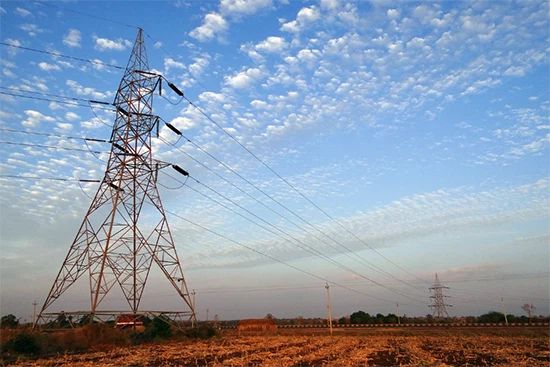
Overhead transmission lines play a crucial role in power transportation, comprising various components like line towers, conductors, and insulators. Recognizing the voltage level of these lines is vital for maintenance and safety. The insulators, whether glass, ceramic, or composite, provide electrical insulation and directly influence line performance.
One effective way to identify voltage levels is by examining the arrangement of insulators. The number of insulators in a string correlates with the voltage level. Here's a quick guide:
| Number of insulators/piece | Length of composite insulator/m | voltage /kv |
| 3-5 | 0.7 | 35 |
| 7-9 | 1.3 | 110 |
| 13-15 | 2.2 | 220 |
| 17-20 | 3 | 330 |
| 25-31 | 5 | 500 |
| 32-38 | 6.5 | 750 |
Up to 35KV Lines:
Use pin insulator.
35KV Lines:
No less than 5 insulators in a string.
60KV Lines and Above:
The number of insulators increases with higher voltage levels.
Composite insulators, with their advanced features, are increasingly preferred in modern power systems. They enhance performance and ensure reliable electricity transmission. Stay tuned for more insights into the dynamic world of electric power!