


Hydrophobicity of Composite Insulators
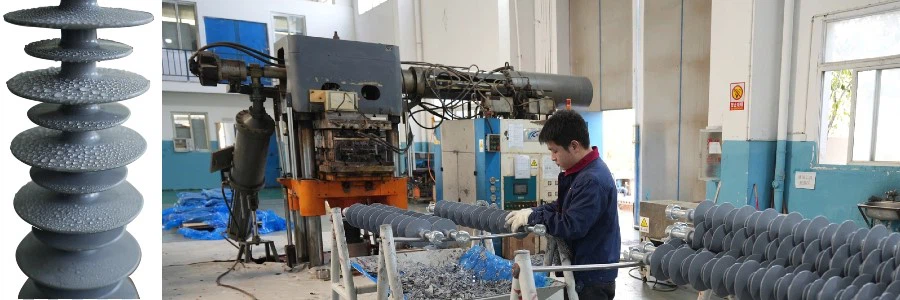
The Reason
Hydrophobic properties serve as a technical indicator of a material's resistance to water penetration. This characteristic is quantified as the volume percentage of the sample that remains unpenetrated by water after being subjected to a specified flow rate in a controlled spraying procedure.
The Testing Methods
The main methods for detecting the hydrophobicity of insulators include:
-
Contact Angle Method
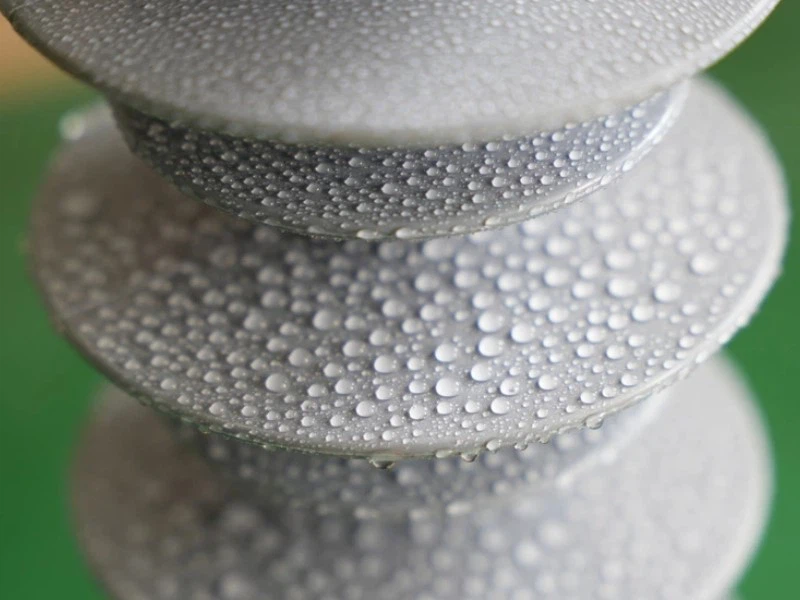
This method involves measuring the contact angle formed between the edge of a water droplet and the surface of the composite insulator. The contact angle reflects the hydrophobic state of the insulator.
-
-
Surface Tension Method
-
This method indirectly evaluates hydrophobicity by using a mixture of liquids with known surface tensions to observe the wetting behavior on the insulator surface.
-
-
Spray Classification Method
-
This simple method uses a standard spray bottle to apply mist to the insulator surface. First proposed by the Swedish Transmission Research Institute (STRI), the method involves observing the surface wetting pattern and comparing it with classification criteria and reference images to determine hydrophobicity levels.
Comparison of Hydrophobicity Testing Methods