





Production Introduction
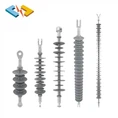
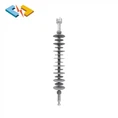
High Voltage Station Post Insulator
Sustation Insulator
Porcelain Substaion Insulator VS Polymer Substation Insulator
When it comes to station post insulators, selecting between porcelain and composite materials plays a crucial role in ensuring the long-term reliability and performance of the power transmission system. Each material offers distinct advantages, so the final choice should depend on the project's specific requirements, environmental factors, and desired service life.
Durability and Mechanical Strength
Porcelain
Porcelain insulators, backed by over 50 years of production expertise, deliver strong resistance to mechanical stress, torsion, and compression. They perform reliably in both non-stacking applications up to 161 kV and stacking applications up to 765 kV. Their cantilever strength is closely related to the insulator's dimensions and design.
Composite
Composite insulators combine fiberglass cores with bonded silicone rubber housings to achieve high mechanical strength and flexibility. Their ability to bend slightly under load helps them withstand vibration and dynamic forces without cracking.
The Drawing

The Specification

Composite Tension Insulator

Hot Tags: silicone rubber substaion polymer insulator, China, manufacturers, suppliers, factory, wholesale, for sale, Polymer Station Post Insulators, 138kV Composite Station Post Insulator, 220kV station post insulator, 69kV Composite Station Post Insulator, 330kV station post insulator


