



Product Description
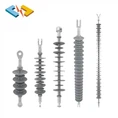
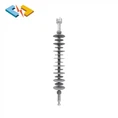
The metal oxide surge arrester, also known as a zinc oxide surge arrester, is the most advanced protection device currently used to limit overvoltage. It is widely applied in power transmission, and distribution systems to protect electrical equipment insulation from lightning and switching surges.

Service Conditions
- Indoor and outdoor use
- Ambient temperature: -40℃ to +40℃
- Altitude: ≤ 3000m (porcelain type ≤ 1000m)
- Power frequency: 48Hz to 62Hz
- Continuous applied voltage at terminals ≤ continuous operating voltage
- Seismic intensity ≤ 8 degrees
- Maximum wind speed ≤ 35m/s

Model Designation
- Y - Porcelain-housed metal oxide electric surge arrester
- YH (HY) - Polymer-housed metal oxide surge arrester
- W - Gapless design
- C - Series gap design

Product Features
1. High-Quality Materials
Our surge arresters are manufactured from premium polymer housing and zinc oxide varistors, ensuring outstanding durability and long-lasting performance.
2. Easy Installation
The arrester can be quickly mounted on transformers or transmission lines, with user-friendly clamps, reducing installation costs.
3. High Voltage Protection
Designed to safeguard equipment from lightning strikes and switching surges, the arrester diverts excess energy safely to the ground, preventing damage to transformers and switchgear.
4. Low Maintenance
Our arresters are built for long service life, requiring minimal maintenance even under harsh outdoor weather conditions.
Structure
The gapless zinc oxide surge arrester is composed of stacked zinc oxide discs and other metal oxides, encapsulated in polymer or porcelain housings.
No spark gap required (gapless design).
Strong compression spring and end fittings fix the discs.
Fiber-reinforced composite material ensures compact sealing.
Compared with traditional valve-type arresters, the zinc oxide varistor core provides excellent non-linear characteristics, making the arrester highly reliable for modern high voltage power systems.

FAQ
- Q: Are surge arresters and surge protectors the same?
- A: No. Surge arresters are mainly installed outdoors in power systems, while surge protectors are usually installed indoors for electronic equipment.
- Q: What is the main function of a surge arrester?
- A: To provide overvoltage protection, discharging lightning or switching surges safely to the ground, while ensuring quick recovery to normal operation.
- Q: Where is the best place to install a surge arrester?
- A: As close as possible to the power supply entrance or transformer terminals, to achieve maximum protection.