




The scope and ability of new power systems to drive vertical industries are constantly increasing. In the process of low-carbon transformation of power, achieving a more stable and secure power system requires paying a certain price. In the future, market mechanisms can be used to ease the cost of low-carbon transformation of electricity.
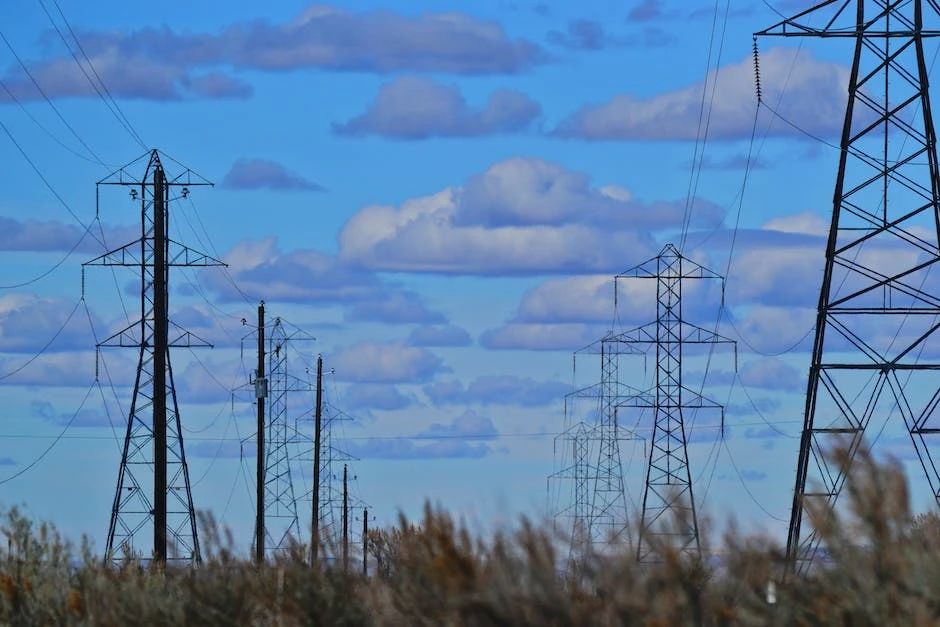
Electricity is the central link in achieving carbon emission reduction on both sides of energy supply and demand. Affected by factors such as macroeconomic growth, changes in industrial structure, and substitution of electric energy, my country's electricity demand has a large space for growth and a rapid growth rate in the near to medium term. At the same time, the power industry chain promotes the upgrading of the energy economy through the application of new scientific and technological achievements and emerging technologies.
At the recently held "Energy and Power 'Dual Carbon' Transformation Path Results Release and Power Digital Infrastructure Development Research Launch Meeting", participating experts agreed that the new power system's driving scope and capabilities for vertical industries are constantly increasing, and in the low-carbon power industry During the transformation process, achieving a more stable and secure power system requires paying a certain price. In the future, market mechanisms can be used to ease the cost of low-carbon transformation of electricity.
Industrial chain investment is nearly three times that of the previous 10 years
Under the overlay of multiple strategies such as the new development pattern, "double carbon" goals and new energy systems, the power industry has expanded its functions and improved its position in serving the overall economic and social development. The construction of a new power system is highly dependent on technological breakthroughs. The vigorous development of corresponding new models and new business formats will provide new impetus for economic upgrading, and the industrial attributes of power will continue to strengthen.
"The electric power industry chain will have very large-scale investment needs in the future." Fu Guanjun, a senior researcher at the Energy Strategy and Planning Institute of the State Grid Energy Institute, told reporters that the annual investment demand in the electric power industry during the "14th Five-Year Plan" is expected to be higher than the "12th Five-Year Plan". Increased by 2-3 times during the 13th Five-Year Plan. The power industry's ability to drive the economy continues to increase. During the "14th Five-Year Plan" period, new power investment can contribute more than 8% to GDP growth. Every 10 billion yuan invested in new energy can contribute about 8 billion yuan to GDP. The electric power industry has evolved from the current base of fossil energy to a new electric power system industry chain based on technological innovation. The entire electric power industry chain is showing an integrated development trend of energy storage, electric vehicles, comprehensive energy, and carbon recycling economy. The "power industry chain Upstream and downstream will show an extension trend."
The recently released "Analysis of China's Energy and Power Carbon Peak Carbon Neutrality Path and Major Issues" (hereinafter referred to as the "Report") also shows that in the future, the power system will continue to expand the scope of driving vertical industries, and the power industry will expand from the provision of electric energy products. to solutions involving production processes, business models, and industry reshaping.
According to industry insiders, the development of the electric power industry chain requires investment. The process of channeling investment costs along the industry chain will bring about an increase in the cost of the entire industry chain. Therefore, it is necessary to strengthen top-level design and formulate targeted policies at different stages of development. development strategy. During the introduction period of the new power system industry, it is necessary to formulate appropriate supporting policies to promote the healthy development of the industrial chain, provide reasonable supervision, strengthen guidance of original innovation, and seek space for cost reduction through technological breakthroughs; in the mature stage of the development of the new power system industry, Complete regulatory measures should be implemented to ensure the stable operation of the power industry chain.
Experts in the industry agree that my country's electricity industry must calculate economic accounts in order to achieve low-carbon transformation. "Electricity prices should not become a burden on economic development and people's livelihood energy consumption, but also need to play a leverage role in stimulating energy conservation and emission reduction and encouraging the consumption of new energy." Gong Yishun, a researcher at the Energy Strategy and Planning Institute of the State Grid Energy Institute, told reporters that currently The overall cost of energy transformation is rising rapidly, but the lack of effective channels is not conducive to the smooth and sustainable low-carbon transformation of the power industry.
Economic accounts need to be calculated
Achieving power safety, low-carbon, and economic transformation will bring about rising costs in the entire industry chain. The "Report" shows that the cost of power supply will fluctuate and rise in the near to medium term due to the increase in the cost of new energy systems. Calculations show that after the penetration rate of new energy exceeds 15%, system costs enter a critical point of rapid growth. It is expected that the cost of power supply in 2030 will increase by 18%-20% compared with 2020; the long-term "dual carbon" transformation cost and the degree of decarbonization of the power system Positive correlation, it is expected that the cost of the power system achieving negative emissions in 2060 will be about 17% higher than that of the zero-carbon emission scenario.
Experts in the industry agree that my country's electricity industry must calculate economic accounts in order to achieve low-carbon transformation. "Electricity prices should not become a burden on economic development and people's livelihood energy consumption, but also need to play a leverage role in stimulating energy conservation and emission reduction and encouraging the consumption of new energy." Gong Yishun, a researcher at the Energy Strategy and Planning Institute of the State Grid Energy Institute, told reporters that currently The overall cost of energy transformation is rising rapidly, but the lack of effective channels is not conducive to the smooth and sustainable low-carbon transformation of the power industry.
Improve market mechanism
Faced with the high cost of low-carbon transformation of electric power, industry experts believe that it is necessary to strengthen top-level design, scientifically plan the transformation path, and formulate targeted development strategies at different development stages. In the early stage of low-carbon transformation of electric power, appropriate support policies should be formulated to promote the healthy development of the industrial chain, strengthen guidance on original technological innovation, and find room for cost reduction through technological breakthroughs.
"To ease the cost of low-carbon transformation of electricity, fairness and timeliness are the requirements, the price mechanism is the way, and the combination of effective market and promising government is the method." Gong Yichun said that a sound price mechanism can be used to form a reasonable electricity price that scientifically reflects the relationship between supply and demand. , helping to ease the development costs of low-carbon transformation of electric power. In terms of effective markets, when designing the market mechanism, the service costs involved in the transformation process, such as power balance, capacity guarantee, and emergency backup, shall be taken into overall consideration and effectively channeled. As for the promising government, policies and measures must be introduced at a controlled pace, and there must be advance and retreat. "Take wind power and photovoltaics as an example. From providing subsidies to encourage development, to reducing subsidies, adding new units to the grid at parity, and then promoting entry into the market to achieve effective allocation, the government needs to take different guidance measures at different stages."
Liu Jin, director of the Management Innovation Research Office of the Management Consulting Institute of the State Grid Energy Research Institute, said that the electricity market and the carbon market (hereinafter referred to as "electricity-carbon") are the main market mechanisms. The coordinated development of the two markets is crucial to achieving efficient and low-cost carbon reduction, Promoting green and low-carbon energy transformation plays an important role. Electricity-carbon market synergy should focus on four key points: overall consideration of the functional positioning of thermal power to ensure safe and reliable supply of electricity; promoting the effective transmission of carbon and electricity prices and reasonably sharing the cost of carbon reduction; promoting the connection between carbon trading, green power trading and green certificate trading ; Establish a green power traceability certification system. "For power companies, during the carbon trading process, the carbon price indirectly affects the power transaction price, which is reflected in the power supply cost. It is recommended to establish a supporting compensation mechanism for carbon cost transmission to avoid excessive collection of carbon costs in the power sector and push up terminal electricity prices. .”