




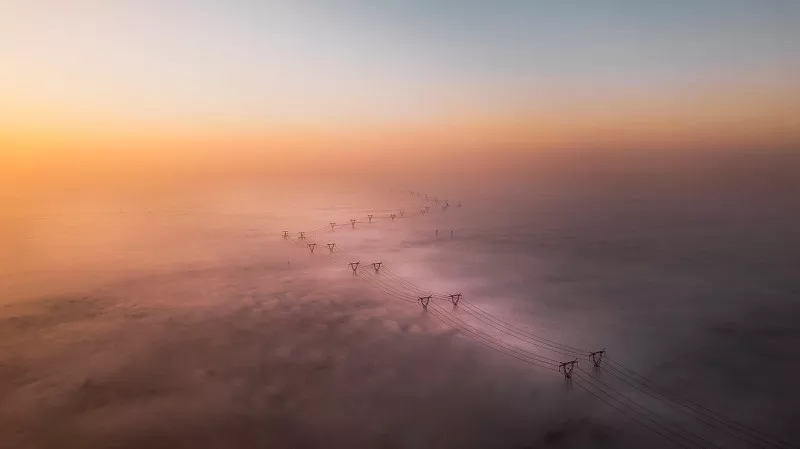
According to the Nepal Electricity Authority, there have already been power leaks and they will increase further during the festival. According to the Nepal Electricity Authority (NEA), Nepal faces a daily waste of 700-800 megawatts of the electricity already produced as demand for electricity drops dramatically as factories and shops are closed during the Desai Festival. In addition, India seems reluctant to buy additional power, which leads to a certain amount of wasted power. Because the state-owned power company is waiting for approval to export more power to India.
NEA is now considering how to use the remaining energy to generate additional revenue. The southern neighbour is now allowing Nepal to sell up to 364 megawatts of power on its market through power trading platform Energy Exchange of India LTD. According to the National Energy Administration, the agency has been selling 37.7 megawatts from the Trishuli and Devighat hydropower projects, 140 megawatts from the Kaligandaki hydropower station, 68 megawatts from the Central Marsiyandi hydropower Station, 67 megawatts from the Marsiyandi hydropower Station and 51 megawatts from the Lihu-4 hydropower station developed by the private sector. According to the power company, NEA earned up to Rs 7.19 crore in the last four months (early June to mid-September) from exporting electricity to India.
Although the NEA has long asked Indian authorities to approve the sale of power generation from the 456-megawatt Upper Tamakosh hydropower project, Indian officials have refused to approve it, citing the involvement of Chinese contractors in the project. The project is Nepal's largest hydropower project to date.
Instead, India has asked the NEA to come up with other projects without Chinese components to sell electricity in the Indian market. In mid-August, NEA requested India's approval to sell 111.8 megawatts generated from the Mistrikhola, likhukhola, Solukhola and Chilime hydropower projects. The NEA said it also sought approval to sell an additional 1,009 megawatts from Likhukhola, Kabeli B1, Maikhola, Hewa Khola and Lower Modi hydropower projects.
Including solar farms, the National Grid added 735 megawatts of power in the last fiscal year. In 2021-22, the installed power capacity increased to 2,189.6 megawatts, including 2,075.4 megawatts of hydroelectric power, 54.8 megawatts of solar power, 6.0 megawatts of cogeneration and 53.4 megawatts of thermal power plant generation.