


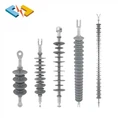

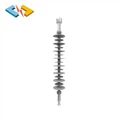
The device that the glass insulator is used to support and insulate the wire is called an insulator. The insulator device is made of glass and is called glass insulator; the most widely used in the circuit at present is the tempered glass insulator. The glass insulator is composed of glass parts, steel caps and steel feet.
Due to the high mechanical strength of the surface layer of the glass insulator, the surface is not prone to cracks. The electrical strength of glass generally remains unchanged during the entire operation, and its aging process is much slower than that of porcelain. Therefore, glass insulators are mainly scrapped due to self-damage and occur within the first year of operation, but the defects of porcelain insulators are only a few Years later began to discover.
Using glass insulators, the electrified periodic preventive tests carried out by the insulators during operation can be eliminated. This is because every damage to the tempered glass will cause damage to the insulator, and it is easy for operators to find it when patrolling the line. When the insulator is damaged, the glass fragments near the steel cap and iron legs are caught, and the mechanical strength of the remaining part of the insulator is sufficient to prevent the insulator from breaking off. The self-breaking rate of glass insulators is one of the important indicators to measure the quality of products, and it is also the quality basis for the current bid evaluation of bids and bids for transmission projects.