



Composite Insulators: Structure, Materials & Functions
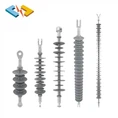
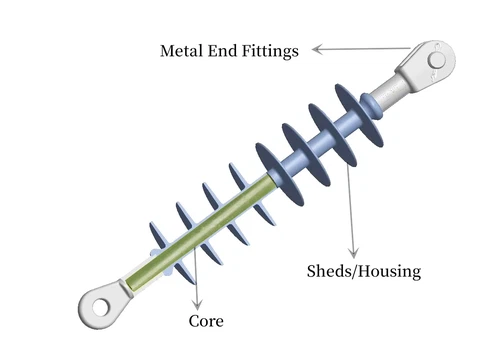
Composite insulators are advanced insulating components used in high-voltage power systems. They are designed with a multi-part structure, consisting of an fiberglass core fitted with end fittings, and a protective shed (also called a weather shed). They are commonly known as polymer insulators, while internationally, the term composite insulators is often used.
1. The Structural core rod
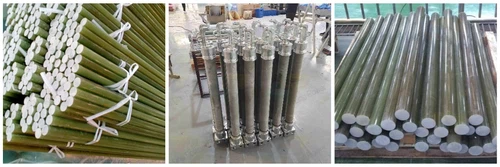
The core rod is the internal insulating component and the main load-bearing structure. It is responsible for withstanding mechanical stresses such as tension, bending, torsion, and compression.
Common core rod materials include:
- Epoxy fiberglass rods
- Wound epoxy fiberglass tubes
- Porcelain
- High-performance resin
2. Shed
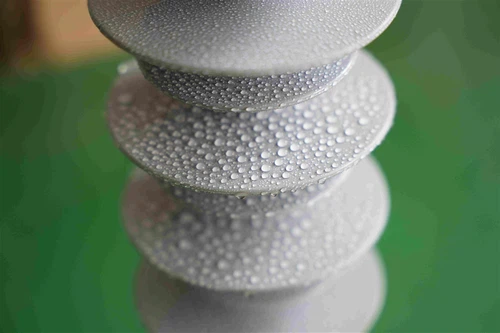
The outer shed (also known as the weather shed or housing) surrounds the core. Its main functions are to:
- Provide sufficient creepage distance
- Protect the core from moisture, pollution, and UV radiation
- Resist tracking and erosion under electrical stress
Common shed materials include:
- Silicone rubber (preferred for its superior hydrophobicity)
- EPDM rubber (ethylene propylene diene monomer)
- Thermosetting resin
- PTFE (polytetrafluoroethylene)
3. Functional Design Difference: Composite vs. Porcelain and Glass Insulators
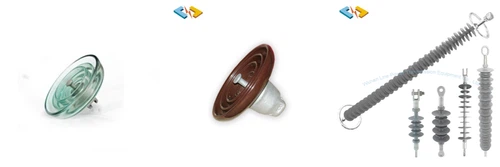
Unlike porcelain or glass insulators, which rely on a single material to perform both electrical and mechanical functions, composite insulators adopt a modular design where each component is optimized for its specific role:
| Insulator Type | Material Structure | Mechanical Function | Electrical Function |
|---|---|---|---|
| Porcelain / Glass | Single material | Same material | Same material |
| Composite | Multi-material | Core (fiberglass/epoxy) | Shed (silicone rubber) |
4. Key Benefits of Composite Insulators
- Lightweight and easy to install
- Superior pollution performance and hydrophobicity
- High resistance to vandalism and impact
- Excellent mechanical strength and weather resistance
Wuhan Line power
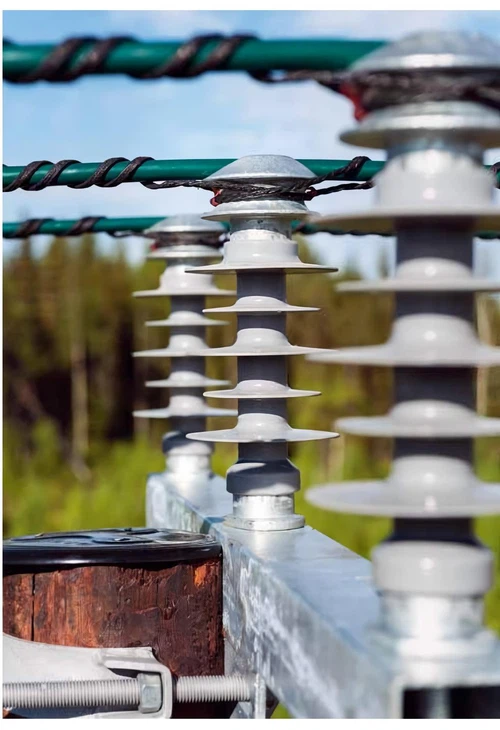
Provide full range of composite insulators designed for transmission and distribution lines.
Customized sizes and voltage ratings are available upon request.